Nutbars: A Crunchy Delight for a Healthy Snack

Nutbars have become a popular choice for those seeking a convenient, nutritious, and delicious snack. Packed with a variety of nuts and often combined with other wholesome ingredients, these bars offer a crunchy, satisfying way to fuel your day. Whether you’re hitting the trails, heading to work, or simply need a quick energy boost, nutbars can be a perfect snack option. Let’s explore the appeal of nutbars, their health benefits, and how you can make or choose the perfect nutbar for your needs.
Why Nutbars Are a Great Snack Choice
- Nutritional Powerhouses: Nutbars are often loaded with essential nutrients. Nuts themselves are rich in healthy fats, protein, fiber, vitamins, and minerals. When combined with other ingredients like seeds, dried fruits, and whole grains, nutbars become even more nutrient-dense.
- Convenience: One of the biggest advantages of nutbars is their convenience. They’re portable, require no refrigeration, and are ready to eat right out of the package, making them an ideal snack for busy lifestyles.
- Satisfying Crunch: The crunchiness of nutbars can be incredibly satisfying, especially when compared to more processed or less substantial snacks. They provide a pleasing texture that can help curb cravings and keep you full.
- Versatility: Nutbars come in a wide variety of flavors and combinations. From classic almond and cashew to more adventurous options like coconut and dark chocolate, there’s a nutbar to suit every palate.
Health Benefits of Nutbars
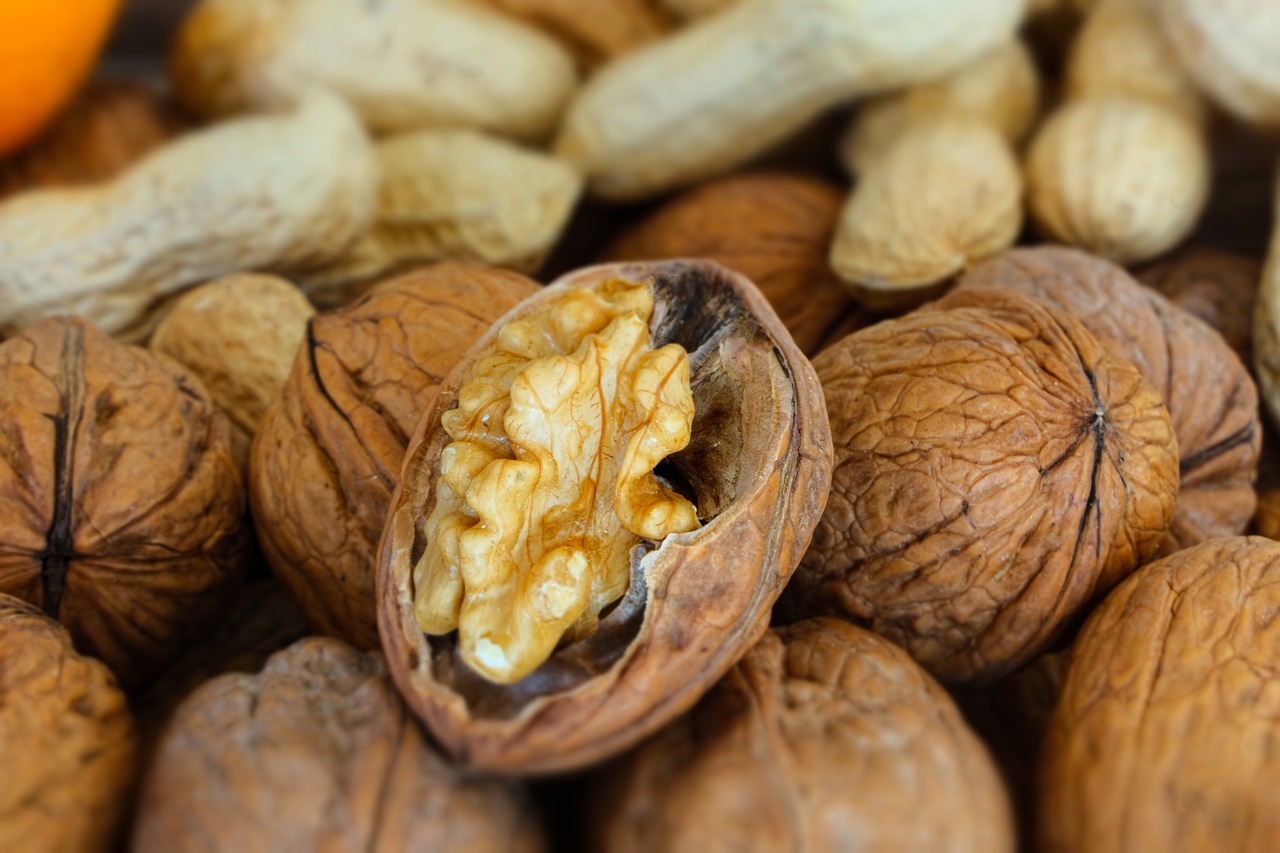
Nutbars: A Crunchy Delight for a Healthy Snack
- Heart Health: Nuts are known for their heart-healthy fats, particularly monounsaturated and polyunsaturated fats, which can help lower bad cholesterol levels and reduce the risk of heart disease.
- Energy Boost: The combination of protein and healthy fats in nutbars provides a steady release of energy, making them a great option for a pre- or post-workout snack.
- Digestive Health: Nuts and seeds are good sources of dietary fiber, which aids in digestion and helps maintain a healthy gut.
- Antioxidants: Many nutbars contain ingredients high in antioxidants, such as nuts, seeds, and dried fruits. Antioxidants help combat oxidative stress and inflammation, contributing to overall health.
Crafting Your Own Nutbars
Making your own nutbars at home can be both rewarding and customizable. Here’s a basic recipe to get you started:
Ingredients:
- 1 cup almonds
- 1 cup cashews
- 1/2 cup sunflower seeds
- 1/2 cup dried cranberries or raisins
- 1/4 cup honey or maple syrup
- 1/4 cup nut butter (like almond or cashew butter)
- 1/2 teaspoon vanilla extract
- A pinch of salt
Instructions:
- Preheat Oven: Preheat your oven to 350°F (175°C) if you’re toasting the nuts. This step adds extra flavor and crunch.
- Toast Nuts and Seeds (Optional): Spread the nuts and seeds on a baking sheet and toast for about 10 minutes, or until they are golden and fragrant. This step is optional but enhances the flavor.
- Prepare the Mixture: In a large bowl, combine the toasted nuts, seeds, and dried cranberries or raisins.
- Heat Wet Ingredients: In a small saucepan, gently heat the honey (or maple syrup), nut butter, and vanilla extract until they are well combined and smooth. Remove from heat.
- Mix and Press: Pour the wet mixture over the dry ingredients and stir until everything is evenly coated. Transfer the mixture to a lined baking dish and press it down firmly with a spatula.
- Chill: Refrigerate the mixture for at least 2 hours, or until it is firm. Once set, cut into bars or squares.
- Store: Store the nutbars in an airtight container at room temperature for up to a week, or in the refrigerator for longer shelf life.
Choosing Store-Bought Nutbars
If you prefer to buy nutbars, here’s what to look for to ensure you’re choosing a healthy option:
- Minimal Ingredients: Opt for nutbars with a short ingredient list. The best options contain whole, recognizable ingredients with little to no added sugars or artificial additives.
- Low Sugar Content: Check the nutritional label for sugar content. Choose nutbars with lower sugar levels, ideally those sweetened with natural options like honey or maple syrup.
- High Protein and Fiber: Look for nutbars that offer a good balance of protein and fiber to keep you satisfied and energized.
- Allergen Information: Be mindful of potential allergens, especially if you have sensitivities or allergies to nuts or seeds.
Nutbars Around the World
Nutbars have gained popularity globally, with various cultures putting their spin on this nutritious snack:
- American Granola Bars: Often made with oats, nuts, seeds, and dried fruits, these bars are a staple in American snacking culture.
- Middle Eastern Energy Bars: Known for their use of nuts and honey, these bars are often flavored with spices like cinnamon and cardamom.
- Asian Nut and Seed Bars: In countries like China and Japan, nutbars may include ingredients like sesame seeds and dried fruits, offering a unique twist on the traditional nutbar.
Conclusion
Nutbars are more than just a convenient snack—they are a tasty, nutritious, and versatile addition to any diet. Whether you’re making them at home or selecting a store-bought variety, nutbars offer a satisfying crunch and a host of health benefits. By understanding the different types of nutbars and their ingredients, you can make informed choices that align with your dietary preferences and lifestyle. So the next time you’re in need of a quick and nourishing snack, reach for a nutbar and enjoy the perfect blend of flavor and nutrition.